
Trains and Trekking
In my mind, I’ve always wanted to “do” the Trans-Siberian Railway. Something about the idea of covering such a huge distance by train intrigued me and evoked images of unexplored frontiers. Also, my aunt had traveled by train from Khabarovsk to Moscow in the 80s, and told stories of babushkas selling pierogi from strollers whenever the train stopped for more than two minutes. I wanted to try some of those pierogi.
24 years after my aunt had boarded a train in the region, I found myself at Leningradsky Station in Moscow, in hand a ticket with cryptic Cyrillic characters that had, with foresight, been translated by the booking agency. Armed with my backpack and a daypack full of food, I handed the ticket to the Provodnitsa, or wagon attendant, and squeezed my way to the compartment I was assigned to. Two minutes later, my roomies for the next three days arrived: Dasha, Marina, and Ksusha, three students on summer vacation. Compared with their 18 bags and 2 suitcases, I was traveling light. The next couple of days, they produced mountains of food, beauty, and art supplies from those bags. At various intervals, our cabin was transformed into a nail studio, post office, picnic area, and massage parlor.
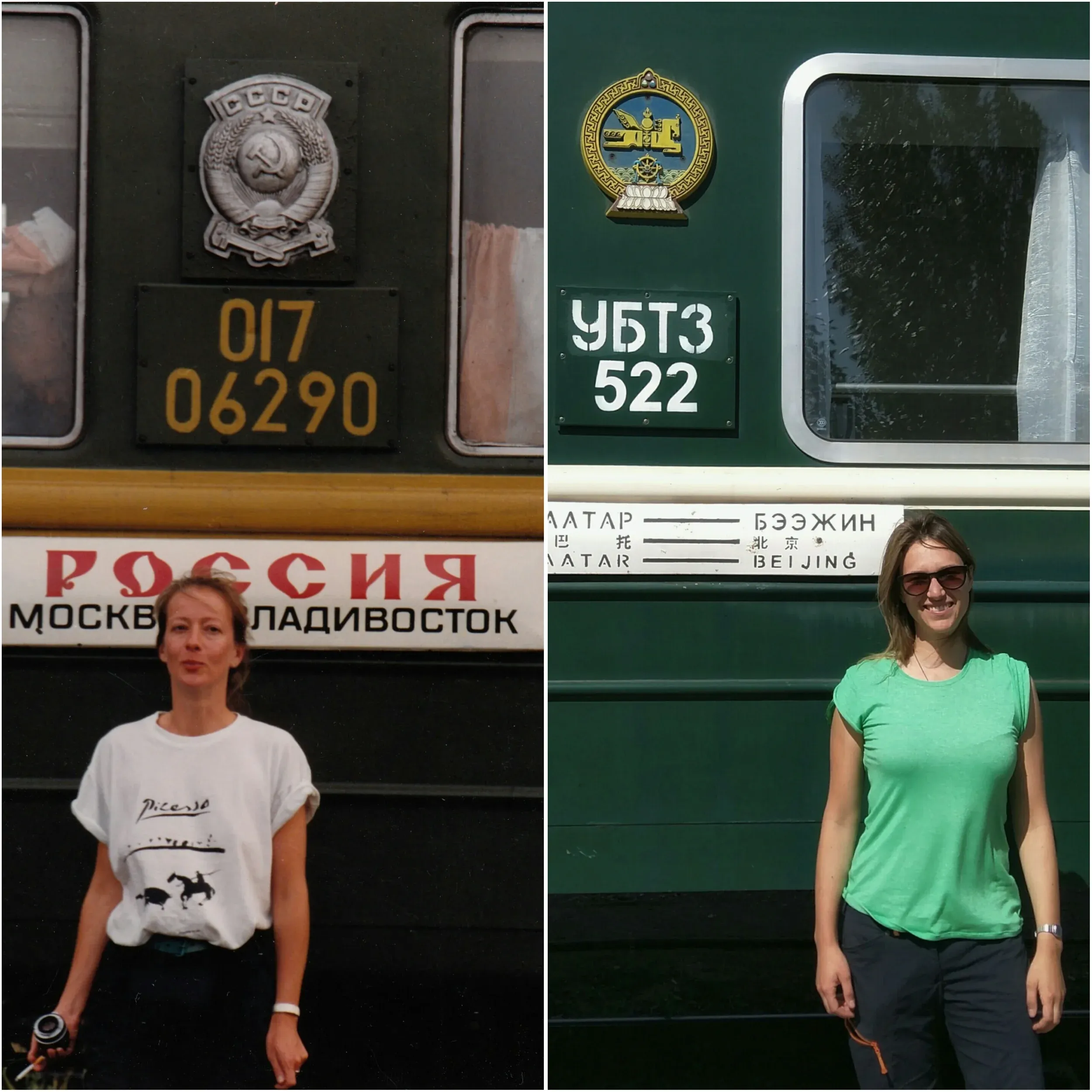
Life on the train is actually very pleasant. The Russians mostly sleep and eat, sleep and eat. It’s a bit like going to a health resort, minus the hot springs. I read a lot, and met fellow passengers. However, one of the parts I’d most looked forward to - spending hours in the restaurant car, drinking tea and watching the landscape change from wooded taiga to wide open tundra - didn’t really work out as planned. The lady in charge of the restaurant had set up shop on one of the tables, complete with a tablecloth, a desk lamp, a laptop, and a printer. As far as I can tell, she never left that seat, and she didn’t like company. Which is why she kicked people out as soon as they had sat down for longer than ten minutes, even if they still had their full drinks in front of them. She had a distinct resemblance to Roz from Monsters Inc., complete with reading glasses on a chain. We took to calling her “the Dragon Lady”.
Since the restaurant car was not an option, fellow international travelers met on the platform whenever a stop lasted more than 10 minutes (about every 4-5 hours). We had all been looking forward to the Russian babushkas peddling their wares, but it turned out they had been replaced by kiosks selling instant coffee, cold drinks, yogurt, and the occasional pierogi. Only at one stop at 7 am, upon entering Siberia, a couple of local women were selling berries, dried fish, and - in the summer heat - fur hats and jackets. Since we all expected them to turn up at every future stop, nobody bought anything. The babushkas, though, went back into hiding, and the unprepared international travelers had to make do with instant noodles instead.
After 3.5 days, we arrived in Irkutsk, a city Lonely Planet calls “the unofficial capital of Eastern Siberia”. It does have the feeling of an old gold rush city, which can’t be too far off since 200 years ago, nearby towns on Lake Baikal had experienced an influx of gold diggers looking to make their fortune. While you can find recognizable brands on the high street and coffee shops are everywhere, Irkutsk resembles an outpost keeping wild Siberia at bay. The general population seems rather poor, with features now markedly more Asian. Prices are low - a bed in a hostel dorm costs around 9 EUR, a ride on the tram a mere 5 cents.
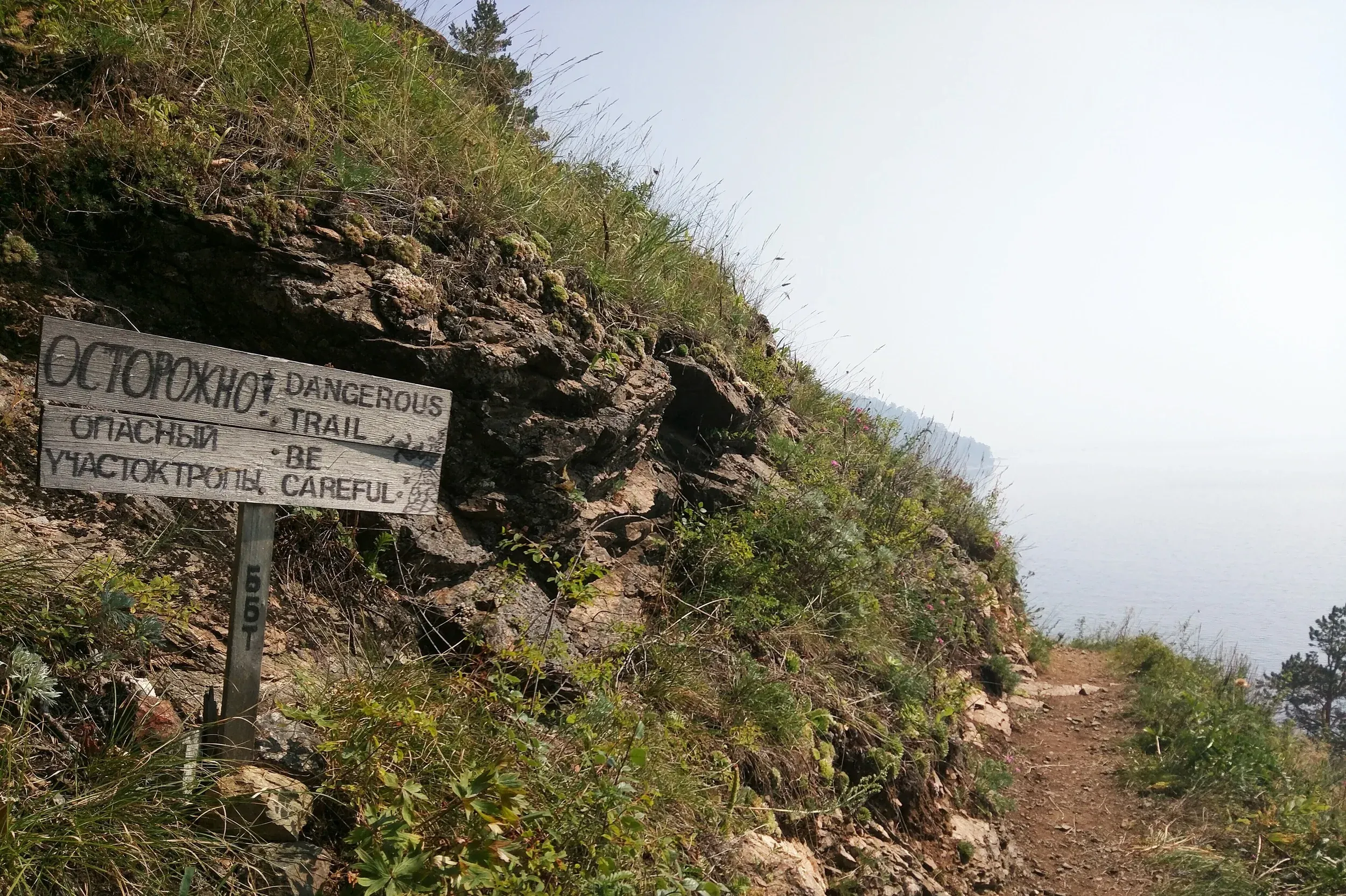
I decided to spend the 4 days until my train to Mongolia departed at Lake Baikal and took a minibus to Listvyanka, which seems to function as a sort of resort town for Russians on summer holidays, with one prominent candy-colored hotel in the middle of town. Apart from that, Listvyanka consists of wooden cabins with brightly painted window panes and is famous for smoked Omul, a local fish that resembles trout. I stayed in a hostel and decided to trek to Bolshiye Koty the next morning, an old gold-digger outpost 20km north of Listvyanka. 20km sounded easy enough, but it turned out that the famous “Lake Baikal Trail” is often unmarked and more of a footpath at times. In the end, it took me 6.5 hours to reach my destination, partly because I took a wrong turn and walked back towards Listvyanka for about an hour before noticing my mistake.
Bolshiye Koty was worth it, though. Very idyllic, with a couple of wooden houses and one shop run by two women with gold teeth. When I entered the shop around 2pm, they were arguing loudly with a very drunk man dressed only in trousers, who was swinging a half-full bottle of red wine. I didn’t buy anything. Overall, though, the place was very tranquil and a great place to catch a breath away from the stuffiness of the train cabin. Koty is surrounded by woods and looks out on the perfectly blue Lake Baikal, which is so cold that it takes your breath away when you decide to take a dip. Soon after my arrival, I learned that the hydrofoil ride back to Listvyanka (which I had been looking forward to after the trek) was fully booked. Which meant that the next morning at 6 am, I hiked back to Listvyanka, and caught a minibus to Irkutsk to make it back to the city in time for my train the next morning.