
In Need of Need
Arriving in Isiquí at the edge of Miraflor nature reserve, you’ll have a hard time finding the 120 houses that are supposed to be part of this village. Like many communities in Nicaragua, Isiquí actually encompasses a larger area, and its census includes many families who have chosen to live farther from the main road, up the mountain. The village itself consists of a school, a catholic and a Protestant church, a baseball field, and three dozen houses draped alongside the road to Estelí.
Isiquí has a gravity-fed water system that is 28 years old and in disrepair. The water filters are rotten, the water tanks are filthy, the pipes are leaking, and many of the extensions added over the years use rubber tubes that are slowly crumbling. The resulting tap water causes stomach problems. For the next three months, my job will be to update and extend this existing water system. I’ll be working with two other project managers, Pete from the UK and Claudia from Italy. We’ll be joined by a team of 12 teenagers from around the world who are here to expand their horizon and do some good along the way. We’re all volunteers for Raleigh International, a charity which combines sustainable development with youth leadership training. Their partner on the ground, El Foro Miraflor, has sourced the project and laid the groundwork with the community.
The first time I, Pete, and Claudia visited Isiquí, we were unsure as to what to make of it. Here we were, having pledged to dedicate three months of our lives to development work, only to be sent to a village with running water and electricity. Even the most modest home we visited had a television and a stereo. Colleagues of ours, working on a different water project, found themselves in a tiny outpost of civilization without access to a road, where electricity is generated by solar panels and water is fetched from a nearby stream by horse. Something seemed off. Why were we working with a community that had had water for 28 years and had obviously cared so little for it that the system had slowly rotted away? In a village that had seen two previous Raleigh expeditions install 38 eco latrines? Where other charities had rolled through to provide terracotta water filters for each household, only for some families to turn around and sell them or use them for laundry?
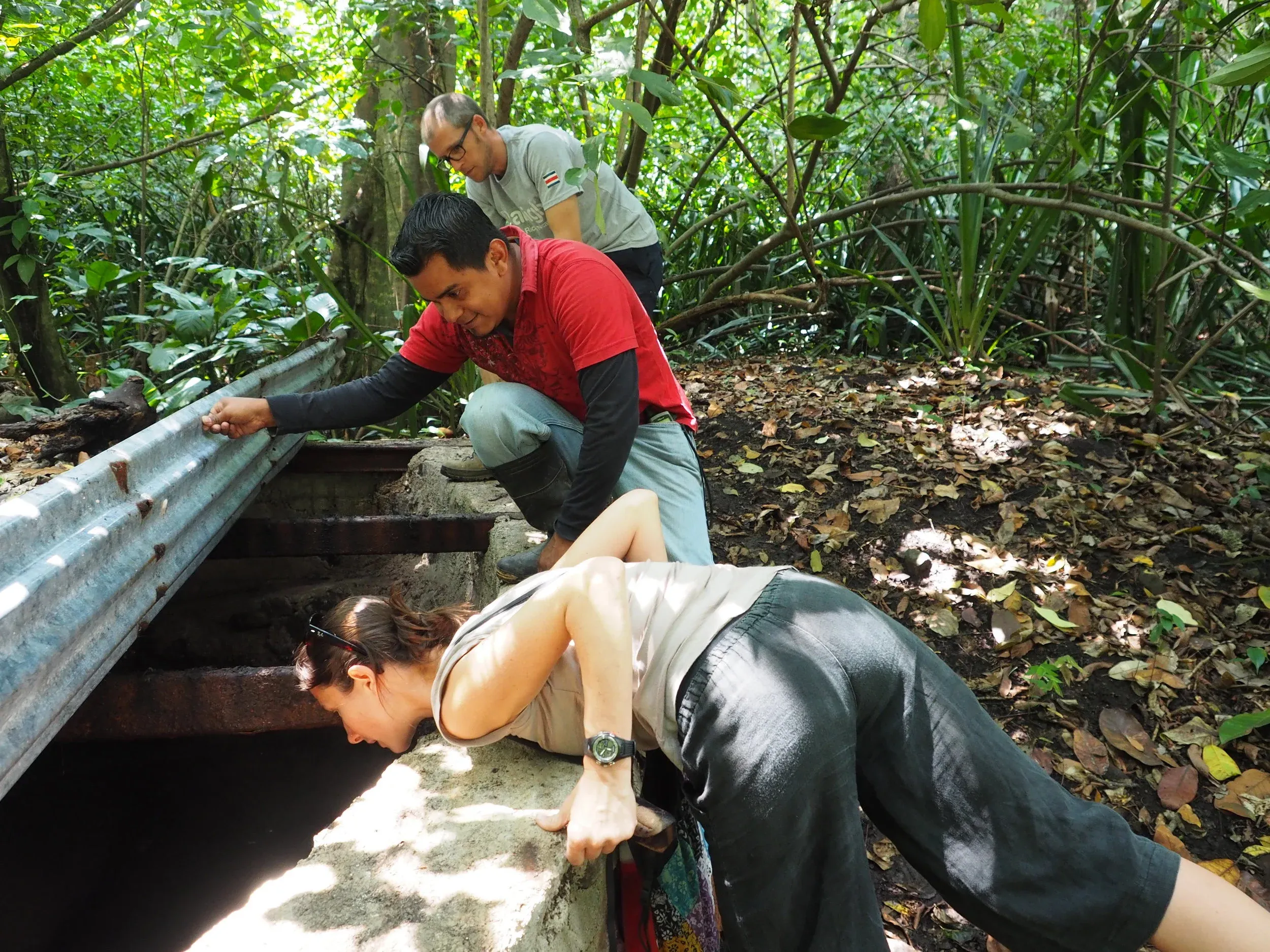
We felt that we had not arrived in a place of need, but rather in a village that had become complacent in the face of too much aid. It seemed as if people were expecting the next NGO to parachute in and fix any problem the community might have. Don Claudio’s wife, our host mother, noticed that we had many questions. “Many NGOs have visited Isiquí,” she assured us, “we know how it works.” This, of course, threw a spotlight on our predicament. All three of us, though from different cultural and professional backgrounds, had had the same image in our heads. Mostly, it involved us riding on horseback into an impoverished village which was set against a beautiful jungle backdrop, with locals running out of their huts to greet us - the first foreigners to visit, ever. We would amaze them with our water system-building skills and hug them as they burst into tears when the first tap was finally turned on after three months of hard but rewarding work. We expected to come home with stories of incredible hospitality, gruesome sanitary conditions, and the suffering we had overcome to deliver water to a village in need.
Instead, Don Carlos’ house featured a flushing toilet (one of two in the village), tiled floors, a bed for each of us, and an air of “thanks for dropping by. The next charity should be here soon.” However, who are we to assess need on a first-sight basis? Maybe the fact that the community has had a water system for so long, but has not found a way to keep it in order, is a sign of a deeper problem? Maybe the reality is that, after two projects building eco-latrines in Isiquí, villagers still don’t know how to build them themselves?
Aid dependency is widely discussed in development circles. Unbeknownst to us, our team had found itself looking at a prime example of the dark side of aid: a community that, over decades of receiving help from NGOs, has developed a mindset that prevents it from taking its future into its own hands. Once several generations have learned that they don’t need to take matters into their own hand, any sense of active citizenship and communal responsibility seems to vanish. Public goods fall into disrepair, and “development” is left for outsiders to undertake.
Isiquí also highlights why development work needs to change. Rather than focusing solely on building a sparkling new water system that will be rotten in ten years, we will devote a fair amount of time to training the new committee in charge of the water system. We also hope to involve the village in our work and raise awareness of water-related environmental and hygiene issues. While I’m still not 100% convinced that we are spending our time in the area of greatest need, this episode has certainly opened my eyes to the complexities of “development aid”. Need cannot simply be assessed from the perspective of what an outsider might think need should look like. Rather, need is defined by context and circumstances. I’m really looking forward to spending time in Isiquí and creating sustainable long-term development.